

Mini-Grant Program
Congratulations to our 2025-26 Grant Recipients!
Supporting Educators.
Impacting Students.
The Cambrian Educational Foundation is proud to announce $10,015 in Mini-Grant funding awarded to educators across the district. This year’s grants support hands-on STEM learning, early literacy, project-based learning, music and arts enrichment, and social-emotional wellness.
To maximize impact, several projects received partial funding, allowing CEF to support more classrooms and students. An additional alternate project was also identified should funds become available.
Thank you to our teachers for their creativity and commitment to enriching student learning!
Overview
Applications Received: 21
Total Funds Requested: $20,962.15
Total Recommended Funding: $10,015
Funding Approach:
Full funding for most recommended projects
Partial funding for select projects to support core components that align with CEF mission and Mini-Grant guidelines
Approved an additional $15 to fund projects over the pre-approved $10,000.
One project identified as an alternate, to be funded if awarded funds are declined or returned
Funding Initiatives
Project-Based Learning (PBL) and interdisciplinary instruction
Early literacy and foundational skills
STEM, robotics, and hands-on learning
Music and arts enrichment
Social-emotional learning and student wellness
2025-26 Grant Recipients
-

Chau Chieng
Steindorf, 8th Grade
Dystopian & Bill of Rights PBL
Eighth-grade students will explore democratic freedoms and civic engagement through an interdisciplinary project connecting literature and constitutional studies. Enhanced staging and presentation equipment will elevate student work and create a school-wide showcase experience. -
Jolene Voss
Fammatre, Maker Space
Request for 2 CHOMPSAWS
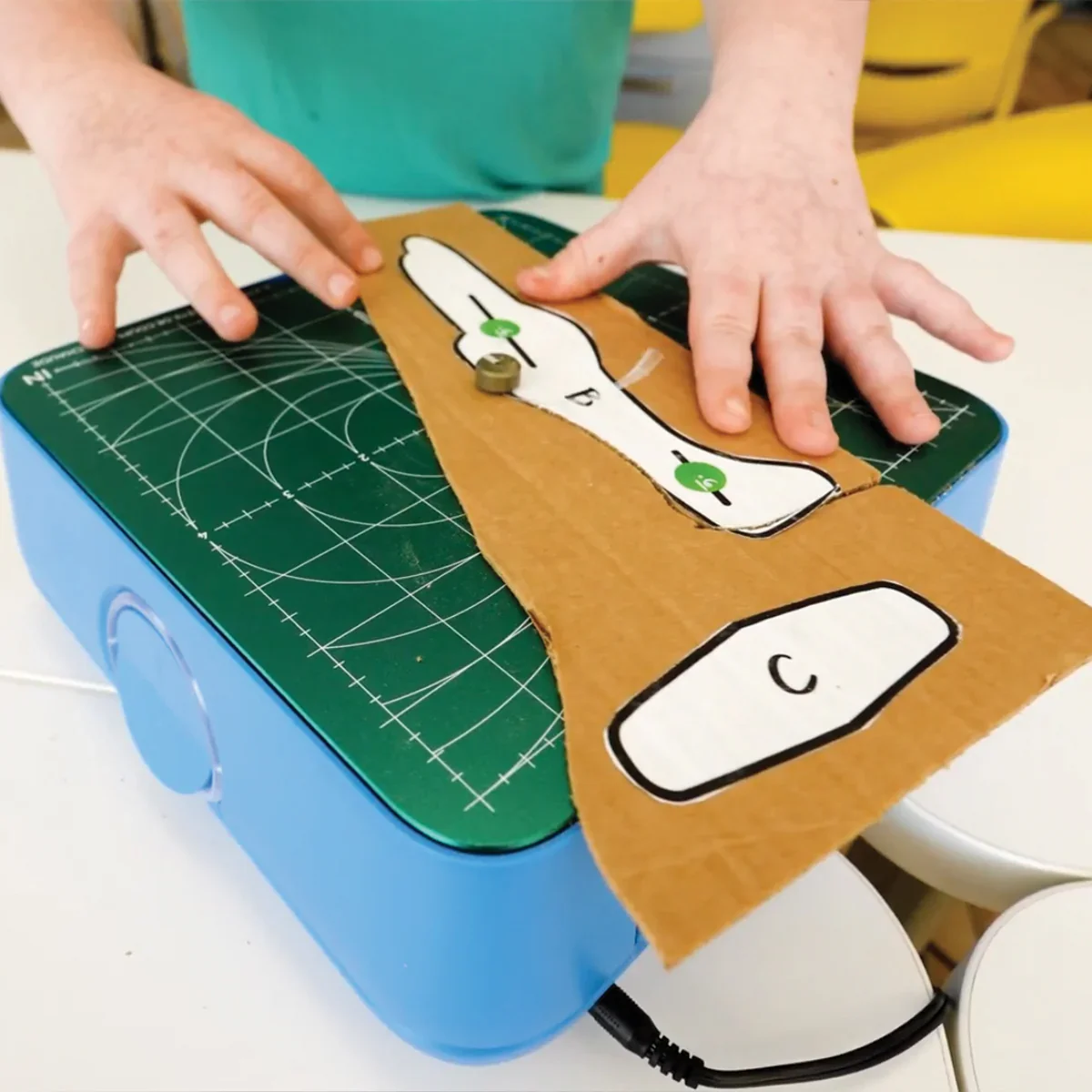
This award will expand the maker space by adding safe cutting tools (CHOMPSAWS) so that more TK–5 students can participate in engineering and creative design projects. -
Tina Wheeler
Fammatre, 5th Grade
2026 Student Podcast Project
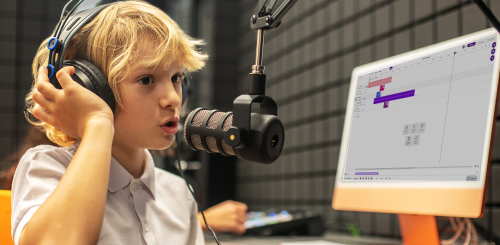
Students will produce original podcasts that boost literacy, technology, collaboration, and communication skills. The grant provides equipment and tools that support scripting, recording, editing, and publishing, merging technology with language arts. -
Daisy Gonzalez
Sartorette, Kindergarten
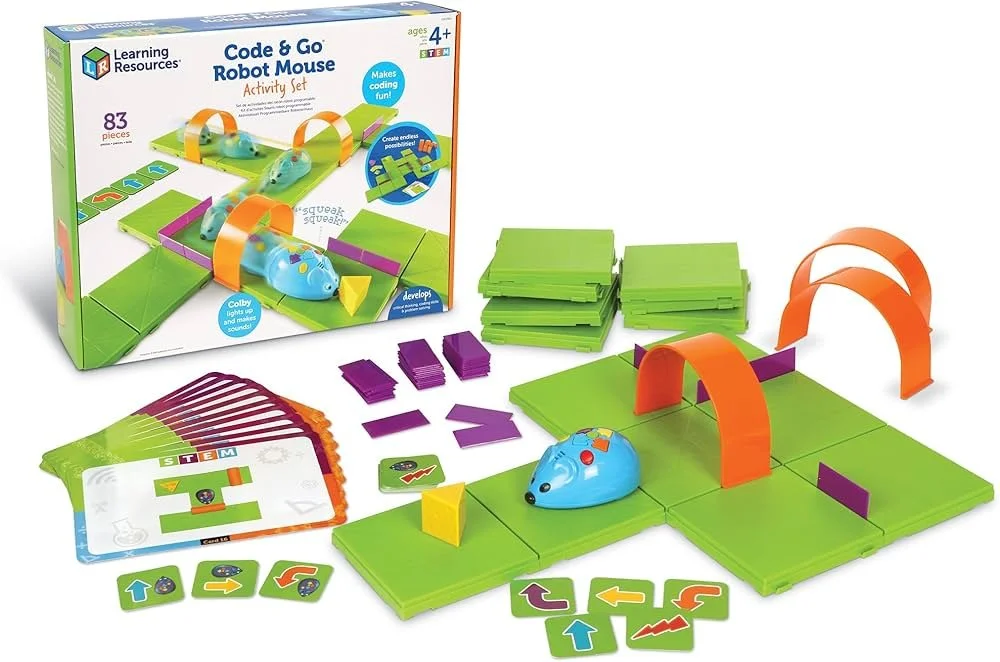
Kindergarten PBL + Learning Resources (Partial Award)
This partial award funds Coding Mice to introduce kindergarten students to early coding concepts through hands-on, play-based learning. Students build foundational skills in sequencing, logic, problem-solving, and creativity while exploring cause-and-effect in an engaging, developmentally appropriate way. -
Catherine Lorigan & Keenan Lewis
Ida Price Middle School, Music Department
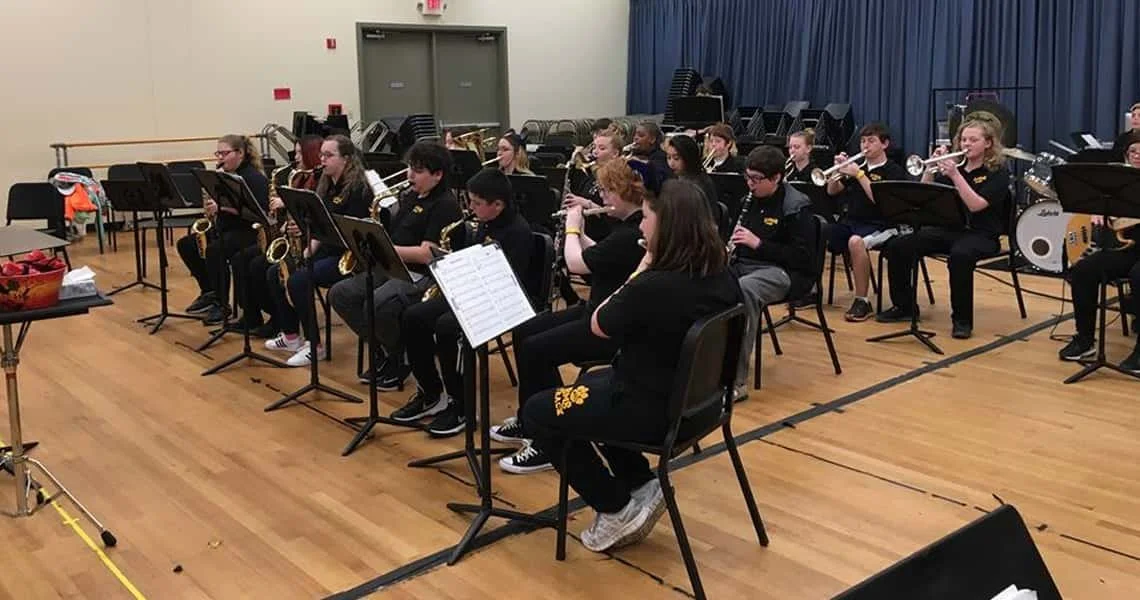
Music Department Trip
This grant funds clinic fees for a music department trip, providing participating student musicians with expert instruction, feedback, and enrichment beyond the classroom. The experience supports skill development, performance confidence, and musical growth for the full group of students involved. -
Kendall Tavokal
Sartorette, Transitional Kindergarten
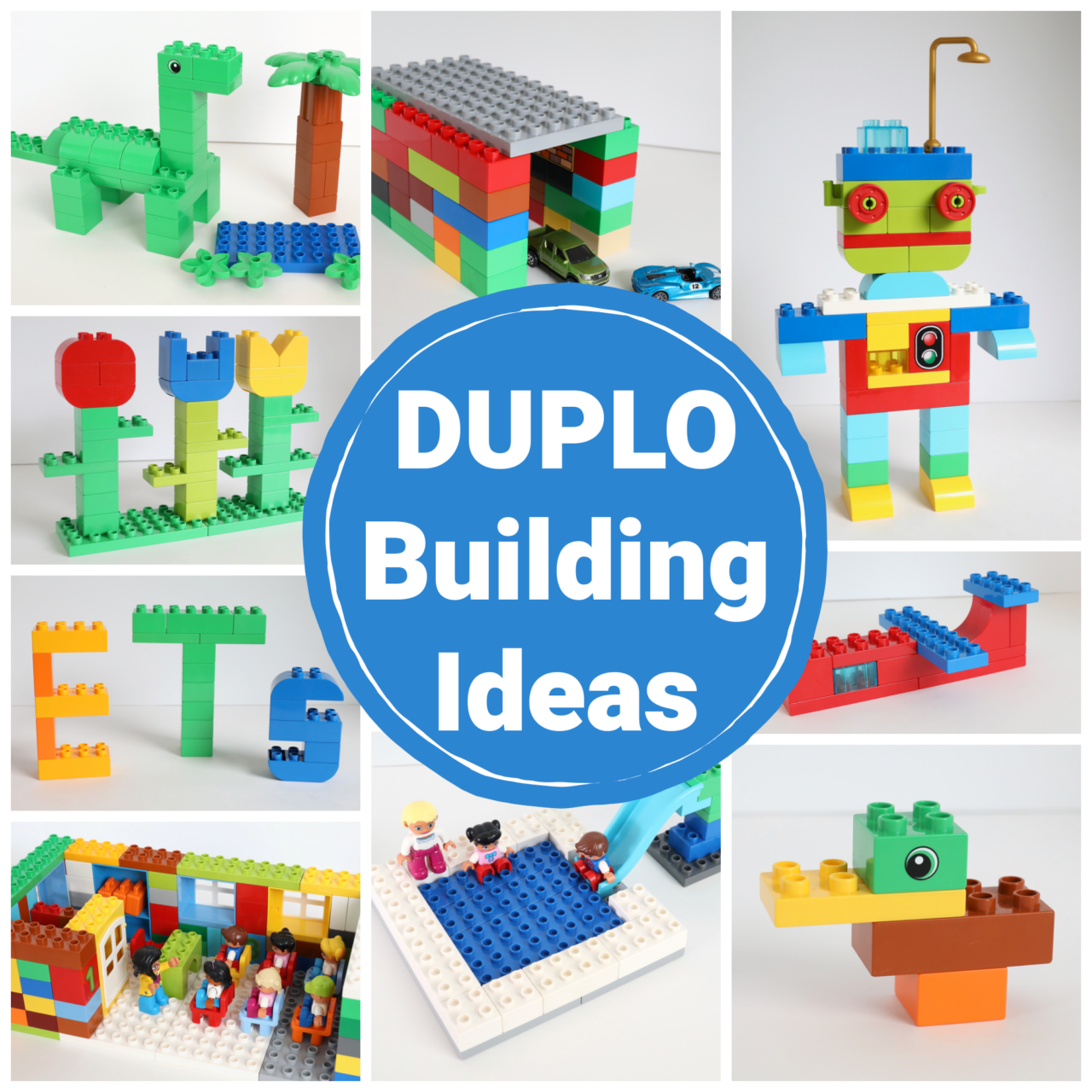
Duplo Designs
Partial funding supports core Duplo materials for a TK kelp forest project, allowing students to build and explain animals and habitats through hands-on, play-based learning that strengthens early science, language, and problem-solving skills. -
Savannah O’Hara
Bagby, Licensed School Psychologist
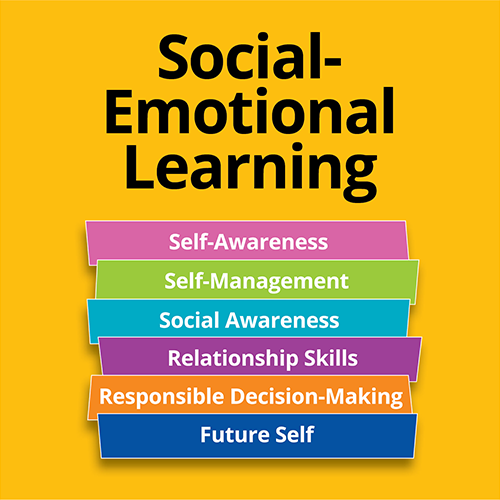
Schoolwide Toolkit for Building Emotional Readiness
This toolkit provides social-emotional learning resources—games, visual supports, and sensory tools—designed to help students develop self-awareness, emotional regulation, and coping strategies. -
Liz Parker
Fammatre, 3rd Grade
Hands-On STEM — Project Lead the Way
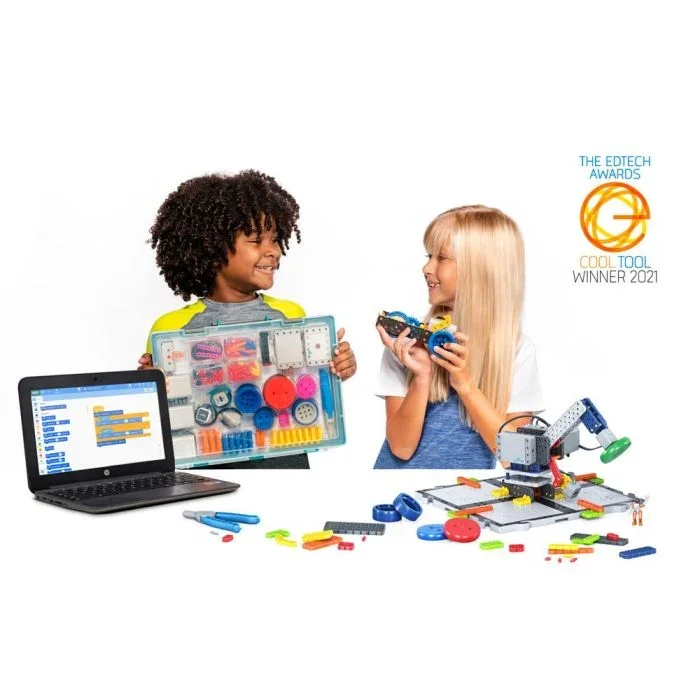
Fifth-grade students will implement Project Lead the Way science modules that build deep, hands-on understanding of properties of matter, patterns in the universe, and engineering design. Vex Robotics kits will support cross-subject collaboration and prepare learners for state science assessments. -
Krista Davis
Steindorf, 3rd Grade
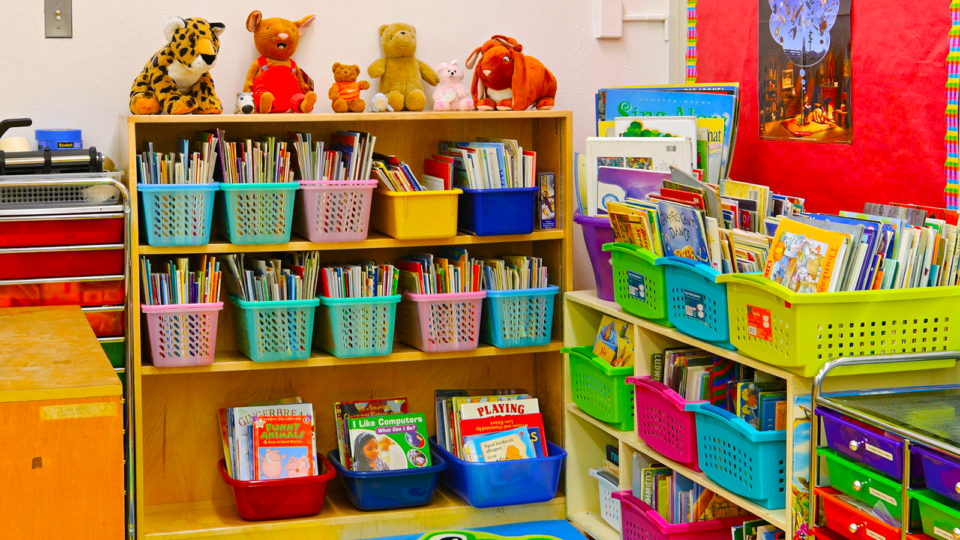
Building Reading Stamina, Choice & Joy
Third-grade classrooms will expand their library with diverse, high-interest books to support partner reading, book clubs, and independent reading structures that strengthen comprehension and engagement. -
Kendall Tavakol & Melissa Zieper
Sartorette, Transitional Kindergarten
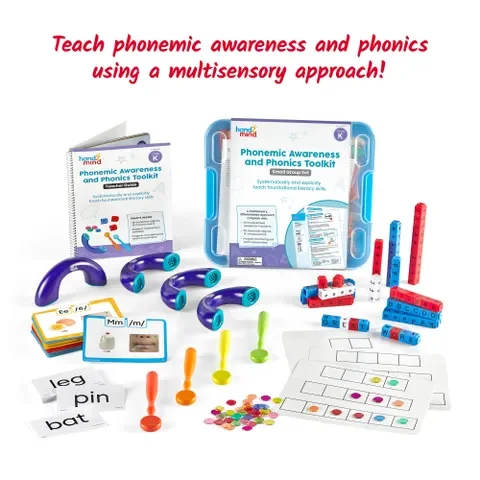
Alphabet & Phonological Literacy Manipulative Library
TK students will benefit from hands-on literacy manipulatives that build foundational alphabet knowledge, phonological awareness, and print understanding through play-based exploration. -
Michele Brister
Steindorf, Counselor
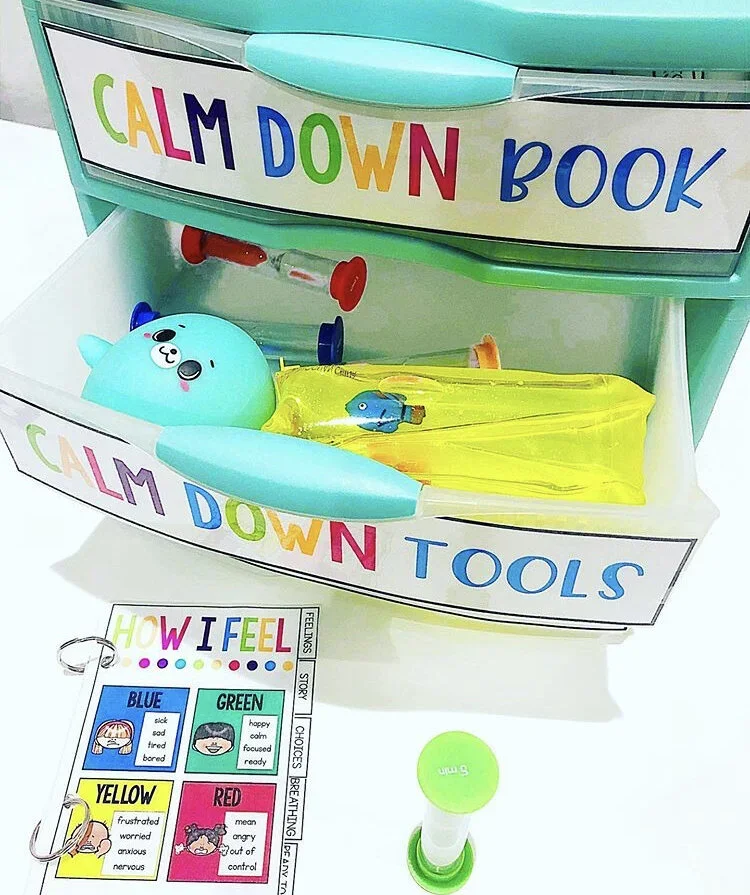
Flexible Wellness Space Enhancement (Partial Award)
This partial award supports core social-emotional learning tools and materials for a student wellness space, providing calming resources such as sensory tools, art materials, and quiet activities. These enhancements help create a more welcoming and flexible environment where students can regulate emotions, decompress, and engage in positive, low-stimulation activities during transitions and unstructured times. -
Debbie Clima
Fammatre, 2nd Grade
Integrating Coding Into Our Learning
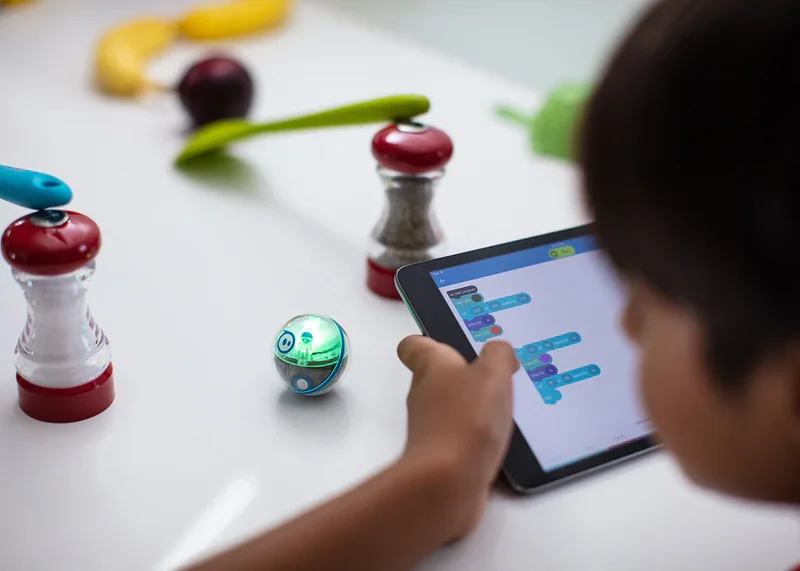
Students will use Sphero robots to explore coding, storytelling, and problem-solving in interdisciplinary activities that connect technology with science, math, and language arts. -
Stacey Patrick
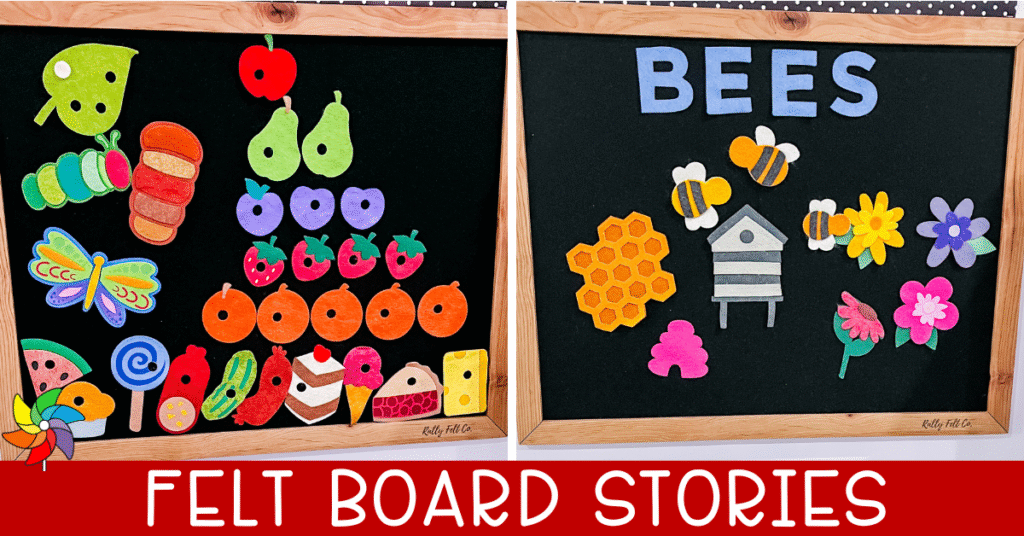
Fammatre, Transitional Kindergarten
Transitional Kindergarten classrooms will implement felt-story materials and interactive storytelling to strengthen oral language, comprehension, and early literacy skills through multi-sensory narrative experiences. -
ALTERNATE
• To be funded if an award recipient no longer requires their grant funds.
Krista Davis & Katie Ericson, Steindorf 3rd Grade
Native Plant Garden PBL
Students will explore California native ecosystems and Indigenous land stewardship before designing a school native plant garden.
Thank you to 2025-26 Mini-Grant Committee.
Thank you to our teachers for their creativity and commitment to enriching student learning!
Resources
Applications are due January 4, 2025
All applications must be formally submitted at the link below.
For questions or concerns, please email minigrants@cambrianef.org.
Mini-Grant Program Details
-
Enhancing Core Education: Enhancement of existing curriculum, Project Based Learning.
Enhancing Enrichment: After-School or Lunch Program/Club, Visual or Performing Arts,
Workshops.
Promoting Community: Enhancing School Culture: Family and/or Student Engagement,
Community Building, Global Awareness, Culture of care and respect, Inclusion.
Enhancing Health and Wellness: Social Emotional Learning (SEL), Physical Health
Promotion, Student Safety
Promoting Creativity and Innovation: STEM (Science, Technology, Engineering, Math),
Creative learning options or labs, Competitions, Environmental conservation.
-
Due to regulations, these are examples of projects that will NOT be funded:
● Transportation fees of any kind
● Conducting book studies or attending conferences
● Staying after school for office hours or after school club
● Performing adjunct duties such as coaching
-
You must be a current certificated staff in the Cambrian School District and your activity/project must be completed during the school calendar year 2025-26.
-
• Submit your application by e-mail to minigrants@cambrianef.org or via District mail to
the Cambrian Educational Foundation - Mini Grants c/o Superintendent’s Office.
• The application deadline is January 4th, 2026 by 5:00 p.m.
• Applications will be reviewed during a Mini-Grant Committee meeting, to be held in
early January 2026. The recommendation will be submitted to the CEF Board for final
approval on January 30th. You will be notified within two days of the meeting of the
status of your application.
• Funding will be made available within 2 weeks of approval of the grant application.
• Recipients are required to publicly credit CEF for their funding and must provide a brief
report upon completion.
-
● $10,000 in total funding for Cambrian in 2025-2026 school year
● Funding for a single grant can be up to a maximum of $1,000.
● May request supplies, materials, and fees specific to the grant program/project.
● May request stipends if the project requires considerable instructional time or training.
-
Grants will be issued on a competitive basis. A committee of parents (“Mini Grant Committee”) will review all applications and decide in January 2026 which projects will receive the mini grants. If the total sum of funding requested by the grant applicants exceeds the funding available, applications with the highest points will be prioritized. In review of submissions when limited funding is available CEF may request a reduction in scope.